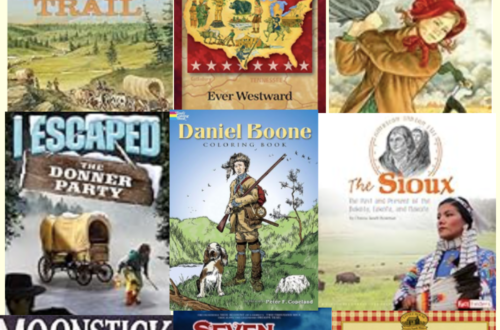
Top 10 Hands On History Activities
This Top 10 History List is for families who like to have FUN!
If you’ve been following this series of my absolute FAVORITE History resources, WELCOME BACK!
***Believe it or not, this is Part #9!!! ***
I have had a blast putting together these lists for you from years of my own experience as a Homeschool Books and ideas hoarder.
Matter of fact, that is why I started this website in the first place! I kept finding more good tips and resources that I wanted to share with SOMEBODY that would appreciate them 😀
If this is your first time finding these lists, here’s the list of posts I’ve done so far.
Top 10 Lists for learning real History, that is real FUN-
+Top 10 History PODCASTS
+Top 10 History SONGS
+Top 10 History TIMELINES
+Top 10 History AUDIOBOOKS
+Top 10 History MOVIES
+Top 10 History BOOKS (This is the ULTIMATE History Book List!)
+Top 10 History GAMES
+Top 10 AMAZING Homeschooling Resources At The Library
SO… what is this Top 10 Hands-On History Activities List about?
Just like every list so far, this one is a big old list of my best ideas to make history SPARK your child’s curiosity!
Every family is different, and every kid has a certain way of learning that ignites passion in them. Though I hope to have all different types of learners covered in these lists, so that your family will all LOVE learning history together, THIS list is for kiddos who are creative and want to DO to learn!
Some kids are quiet and introspective and thrive reading stacks of historical fiction… other kids can’t remember anything they’ve read much, but if they’ve done something with their hands that reinforces the reading, they’ve got it down!
TACTILE learners want to build history, taste it, dig it up, and sing about it!
If all of that sounds familiar, this list is for YOU!!!
What you will find in this post:
1. Building History
2. Art Is Smart!
3. Feast on History
4. All the Drama, Song, and Dance!
5. Create a Culture
6. Archeology Dig It!
7. News of the World
8. Night at the Museum
9. STEM Stories
10. History Hunters
*Note: Required disclaimer. There are some links in this post that go to something I am recommending (usually on Amazon). I am an Amazon affiliate and receive a small commission for any products purchased when you click from one of these links. There is no extra cost to you of course, and I appreciate it! 🙂

1. Building History
There is nothing like starting the day by jumping out of bed and stepping squarely on a lone Lego! OUCH!
Or tripping over a block replica of the Tower of Babel while walking through the kitchen.
If your kid is a builder, you can likely relate.
History is full of fellow builders, and they all probably started out stacking things for their parents to trip over. 🙂 Pachacuti and the Incans stacked some enormous stones and built Machu Picchu, the Egyptians built the Pyramids, the ancient Greek, Iktinos, built the Parthenon which has stood for more than 1,500 years, and Gustave Eiffel built all kinds of engineering miracles!
You never knew there was so much history to be learned through BUILDERS did you?!
My point? Let your Lego loving, tower toppling, builders build some HISTORY!
Here are a few of my favorite ideas-

Ok fine. You know I’m a dinosaur, but I really do still LOVE dioramas!
Why?
-They take a lot of thought and planning, and it is a great “show what you know” kind of hands-on history activity.
-Dioramas can be made by rounding up scraps and odds and ends you already have on hand.
-It is a project that you can work on little by little throughout a study. I’d find my children adding to theirs all times of the day when an idea struck them.
Our dioramas became a topic of conversation at the table as we brainstormed how we could make mini roads, or pyramids, etc.
How?
-Choose a basic topic or theme that you want to showcase
*Ancient Egypt, a famous explorer, battle, or iconic scene for example.
-Choose a box
*This could be a shoebox, an Amazon box, a plastic box, really any container you have lying around.
-Create the background
*You can paint the inside of the box, cover it with paper, etc. You can also draw scenery on your background paper first.
-Add the ground material
*This could be sand, clay, dirt, or any other medium that fits your theme.
-Now BUILD!
*This is where the fun really begins! Bring on all the minis!
You can create buildings, trees, people, animals, and whatever else you can think of. Think outside “the box” (pun intended)…
Studying Ancient Egypt? Build a BIOME of the Nile region, include mini SUNDIALS, or build the inside of Tut’s tomb complete with hieroglyphics spelling out a secret message!
*The figurine sets that come in tubes are great for dioramas and add a final realistic touch. This Colonial America set is a good example.
*We have also printed images from the computer, cut them out, and laminated them. This works especially well for the background setting of your scene, but you can also use clip art to make people from history, iconic buildings, etc…
-Show what you know
*After your students have finished the dioramas, be sure to take the time to have them explain all the wonderful details they have created!

Another way your budding builders can satisfy their architectural itch is to learn history by building it!
There are an endless amount of ways to do this.
+You could choose well known landmarks/structures such as the Great Pyramids, or the Parthenon
+Or choose to learn about and build using materials from whatever period of history you are studying
Ex. logs for the cabins built by the pioneers, mud bricks for early civilizations, animal skins (leather) for native Americans, etc.
+You could also build with Legos, sugar cubes, wood, Lincoln Logs, pre-made kits, or cardboard.
+The options are as endless as your and your child’s creativity!
If you’re worried your students aren’t learning enough just studying, planning, and by building, you can easily make it a special time of the day for your child to work on their project and listen to a good related historical fiction read aloud, history audiobook, or history podcast.
Here are a few project ideas to get you started-
-Build a 3D Map
*Old school 3D Salt Dough Maps
*Paper Mache 3D Maps
*Print and Map 3D Maps
–>Print your chosen map. You can print all kinds of maps from the above link.
–>Cut out map and glue to a solid surface like plastic, wood, or sturdy cardboard.
–>Color map (or whatever creative way you want to do this)
–>Add geographic, topographic, and symbolic pieces to show mountains, industry, etc (this can be drawings, pictures, clay, or plastic trinkets)
-Build It Like The Ancients Did!
–>Study ancient building materials, reproduce them the best you can, then BUILD and learn!
The building materials of the first civilizations were pretty primitive by today’s standards, but much of their work can still be found standing today!
I found this Timeline of Building Materials that could help place common construction with whatever period of history you are studying. You can also just use materials (or a mix of materials) that are similar, like Lincoln Logs, pieces of wood or rocks that people use for crafting, or even a premade building kit.
Here are a few history building projects I found to get you started-
–Build A Log Cabin
(Fun activity for Pioneer Unit, or while reading the Little House on the Prairie series! You could also build with Lincoln Logs)
–Build a Cardboard Castle
–Build With Bricks…Mud Bricks!
–Make a Teepee (One of my girls’ favorites!)
-History is SWEET! Building From The Pantry
*Sugar cubes are great materials for building projects, but from there, the whole pantry is your tool box!
–> Ancient Greek Arch Challenge
–>Sweet Ancient Egyptian Pyramids
–>Pretzel Rod Log Cabin (I think these would work for building a teepee too!)
–>Gingerbread Pyramids! (You could use cookies, crackers, and royal icing to build most anything!)
–>Ancient Greek Temple (Made from cookies)
–>Roman Mosaics (Made from beans)

-Pre-Made Building Sets
*Arch Kid Tech has some great pre-made sets!
(Egyptian Pyramid, Greek Dome, Greek Facade, Mayan Pyramid, Roman Arch, and Roman Theater)
* Lincoln Logs
*Magnetic Building Blocks
*Lego History Sets
–>How to build a Roman Temple/Building Out of Basic Lego Pieces
–> Free Lego directions to build The Great Pyramid of Gaza
(You’d have to either buy the pieces, or the pieces you don’t have… and it’s pretty complex, but maybe a fun family project!)
–> Here are a few pre-made history themed Lego sets I found-
–Roman Centurion Helmet
–The Great Sphinx
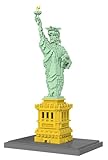
–The Statue of Liberty
–The Eiffel Tower
–The Acropolis of Athens
–The Ancient City of Pompeii


2. Art Is Smart- History Through Art Activities
Art is another great hands-on way to learn history!
Your kiddos who enjoy painting, drawing, sculpting, and crafting…but don’t think they like history so much, are going to LOVE these ideas.
Studying the art and artists of any time period gives us valuable insight into the culture and people of that era. You can also take a similar approach with music—exploring composers and genres—or with science by focusing on inventions and famous scientists. We’ve tried both and had a lot of fun!
HOW do you do this?
+Decide if you’ll use these art activities as your main way to study history or simply as a hands-on addition to a history curriculum you’re already using.
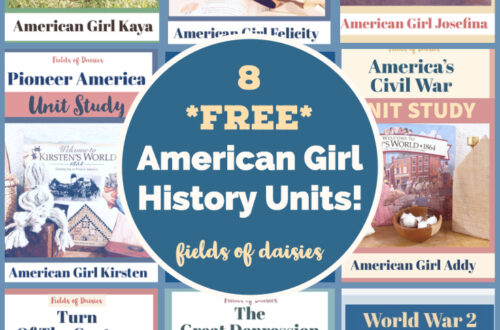
–>If you are using any part of the FREE American Girl History Unit Studies, there are highlighted artists in each unit study.
+Choose the time period of history you’d like to cover.
–>If you are adding the art projects to a history curriculum, just follow along with that!
+Pick what types of art you want to create (sculptures, paintings, weaving, etc…) and find the projects to do or invent your own !
–>Jot down a list of your choices, what date/lesson/part of your study they go along with, and what materials you will need.
+Brainstorm ways that you can showcase your creations.
–>I highly recommend creating a History Timeline Binder (post). It will work so well with these activities, and give some structure and a visual picture of how the artworks and artists fit into history. We added mini biographies of the artists, coloring pages of famous paintings (Dover has great books for this, I linked them below), artwork evaluations of famous works, and we took photos of the art work we created to our binders. +You can also watch this YouTube video of How To Make A History Timeline Binder I made a while ago.
–>We had a blast presenting our projects at a History Museum Night a few times! I’ve included how to do that in #8 below.
+Create and have fun learning!
+Kitchen Table Classroom
This is a fantastic Art site with all kinds of amazing resources, many of which are free!
–>Artist Biography Printables (FREE! These would be perfect to add to your timelines)
–>Art History Timeline (Also free!)
+Ducksters- Art History
Ducksters has a HUGE collection of Artist Biographies, Art Timelines, List of Art Terms, and other Art History online.
+Garden of Praise: Art Appreciation For Kids
***Be sure to scroll all the way to the bottom after the biography there are SO many great related resources!
Each artist page (there are 48) features a short biography, a few pieces of their artwork (mostly paintings), questions to ask, online games, coloring pages, and other many other follow up activities!
+Deep Space Sparkle
Not specific to history, this site has quite a few art lessons/projects that feature people and places in history!
–>Famous Artists Pages
+Art Projects For Kids
–>Art History Projects
–>Color The Masterpieces
+Kids Britannica: Art
+Happy Family Art
+Famous Paintings To Print & Color
+Art History Lesson Plans (from The Met)
+Famous Artists For Kids (short YouTube video series)
–Discovering Great Artists
This is my all time favorite art/history resource!
Each page is part history timeline, artist biography, and related hands-on project all in one!
This book could stand alone as your base of a whole year’s worth of history. I have it on a list to turn into a curriculum…. some day. 😀

– Getting to Know The World’s Greatest Artists (Or Composers!)
–DK Art Year By Year: A Visual Guide For Kids (Like a timeline with really nice photography!)
–A Child’s Introduction to Art
– Dover Art Coloring Books Series
– Dover Art Coloring Book- 50 Great Masterpieces To Color
–*HISTORY* With 21 Activities For Kids Series


3. Feast On History- History You Can Eat!
What’s for dinner? If you’re out of creative ideas, you might want to give these ideas a try!
Our family really enjoys trying new foods. It all started with a simple black and white cookbook we got from the Sonlight curriculum when we first started homeschooling. After nearly 30 years and many, many moves I still have that wonderful little cookbook! It is full of recipes from all over the world, many highlighting a specific time in history! Our favorite was a recipe for “Native American Pudding”- so good!
I tried to always incorporate at least a few days of cooking recipes from whatever period of history we were studying. The recipes do NOT have to be fancy or have a lot of special ingredients (unless you want to!). Once I was too tired to pull together the Egyptian recipe for our plan that day, and I opened a can of ravioli (Chef Boyardee ravioli at that!), and served it up as Ancient Egyptian ravioli. We all laughed and laughed over it… and still TO THIS DAY we call canned ravioli “Ancient Egyptian Ravioli”. Homeschooling memories are pretty great! 🙂
SO…one more way to make history come alive is by exploring the food and cooking customs of different people and time periods.
What people ate—and how they made it—can tell us a lot about their culture, daily life, and traditions. Cooking historical recipes isn’t just fun, it also helps strengthen learning in all kinds of subjects. Reading and following a recipe builds reading skills and teaches how to follow steps in order. Measuring ingredients brings in math through fractions and multiplication, and watching how things change as you mix and cook is a hands-on science lesson. It’s a fun (and often yummy) way to connect with the past while learning a little bit of everything!
Wrap up any history unit by cooking a few historical dishes and turning it into a special dinner!
You can invite your whole family—or even gather with homeschool friends and their families—for a shared meal that brings the past to life. Everyone can help cook, try new foods, and talk about what they’ve learned. It’s a great way to celebrate the end of a unit, share favorite facts, and make some tasty memories together.
*If you are using any of the Free American Girl History Units, The Free Ancient History Curriculum Series, or The American History Curriculum there are lots of recipes included!
*Even if you are NOT using these free units, go check them out and you’ll find TONS of ideas to use along with your own history curriculum!
+What Did Ancient Israel People Eat?
–Jacob’s Lentil Stew Recipe
+What Did the Ancient Mesopotamians Ate For Dinner?
-Try the “World’s Oldest Recipe” !
+What Did the Ancient Egyptians Eat?
–Ancient Egyptian Date Candy
–Ancient Unleavened Bread
+What Did the Ancient Greeks Eat?
–Ancient Greek & Roman Recipes (From the British Museum)
+What Did the Ancient Romans Eat?
–6 Ancient Roman Recipes
+What Did People Eat During The Middle Ages?
–Food In The Middle Ages (video)
–A Medieval Feast (from the British Museum)
+What Did Native Americans and Early American Settlers Eat?
–Eat Like a Powhatan (video)
–Pilgrim Recipes
–Revolutionary War Era Recipes
– Civil War Era Foods You Can Still Make Today
–Pioneer Recipes
+Tasting History (A fun YouTube series of historical food favorites!)
+The Kid-Friendly Ancient History Cookbook
+Food Fight! A Mouthwatering History
+Recipe Road Trip
+Little House on the Prairie Cookbook
+Ancient Israelites and Their Neighbors
+Old Testament Days- Kid’s Activity Guide
+Food at the Time of the Bible: From Adam’s Apple to the Last Supper
+The Ancient Egyptians & Their Neighbors
+Classical Kids: An Activity Guide to Life in Ancient Greece and Rome (Hands-On History)


4. History You Can Act On! All The Drama
DRAMA can be a lot of fun!
Not the stressful drama in our daily lives, but CREATIVE drama!
Writing and acting out plays based on the history kids are learning is such a good way to make history facts stick. To write an accurate play, they’ll need to know all kinds of details—what daily life was like, how people talked, what kinds of homes they lived in, what jobs they had, and even what the setting should look like. All of that research becomes part of the creative process, helping them show what they’ve learned in a meaningful way.
As with the previous hands-on history activities, as kids write their own scripts, they’re practicing language skills and putting historical knowledge into their own words. Performing the plays adds another layer—building confidence, memory work, and even public speaking skills.
Your kids might even go all out and want some video of their performances too!
Nothing like piling up on the sofa, sharing a big bowl of popcorn, and watching a homemade history movie you made yourself!!
If you don’t want to take the time to have your kids write a script and start from scratch, I’ve linked some free pre-made scripts below. Your kiddos can get started right away, reading through (making changes if they want to!), and brainstorming for ideas for costumes and sets. Even just a quick read through of the script together makes a fun hands-on activity!
Or are you a NO DRAMA mama? (Sorry, I couldn’t resist that) Then SING it instead!
If you have a kiddo who loves music, then writing songs about the time period you’re studying is another fun and creative hands-on history activity—especially if writing a play isn’t your thing. To create a good song, kids still need to understand the people, events, and culture of that era, and then find a clever way to share what they’ve learned through lyrics and rhythm. They could also just pick a familiar tune and write new lyrics to it. There’s a few history teachers with YouTube channels who have done this now (I’ll link to those below).
+Plan A Play Script (Blank Template)
+How To Write A Play
– How To Write A Play Series (This series of posts is specific to Homeschoolers)
+How To Write A Play Script About An Historical Event
+From Page to Stage: How To Write A Play (short video)
+American History Plays (These are already written!)
+Quick Scripts For Ancient History Plays (Already written)
+Check out my list of TOP 10 History Songs For Kids for some ideas to get you started!
TONS of songs on this post for every era of history pretty much!
There are songs by History teachers and history songs made by KIDS!
+Making A Song (short video)
+25 Mini Plays For World History
+Ancient Egypt: 5 Read Along Short Plays
+Readers Theater: Ancient History
+Usborne Write Your Own Scripts
+On Stage: Theater Activities For Kids


5. Create a Culture-
Wait. Won’t that take more time than I’ll have this year? 😀
Don’t skip this one because of the amount of time it would take to create an ENTIRE CULTURE! Plus your kids will do all the work on this hands-on history activity! I had an extra creative history teacher when I was in 7th grade. I don’t remember a lot about the class other than this one project we spent most of the year working on. We were given the task of creating a brand new culture. From start to finish!
A culture is usually defined as having the following cohesive characteristics:
-Language -Religion -Customs/Traditions
-Food -Clothing -Art/Music
-Values -Tools -Social Structure
-Education -Economy -Stories/Literature
+For this activity, your student(s) would need to carefully think through each part of this list (or one you create!).
+They would then invent the culture’s characteristic for each.
-Ex. What language would the culture speak? Invent one- this could be using a crypto code!
+Next, students would come up with a way to physically show what that was.
-Ex. Figure out how modernized the culture is and find a way to SHOW the language via a video or written characters!
+Finally, they would give an oral or written presentation of each point and the visual they made, culminating in a really great picture of what their brand new culture is like!
**My amazing history teacher took the activity a step further by coordinating with another nearby school. Both classes spent the year creating their own imaginary cultures, complete with physical examples for each characteristic. At the end of the project, we buried our artifacts in a field behind our school, and the other class did the same at their location. Then, we visited each other’s “archaeological dig sites” and carefully excavated the items. We even photographed the artifacts and mapped their locations! Back at our schools, we spent several class periods examining the items and trying to figure out what the other class’s culture might have been like. It was so much fun—and it’s an experience I still remember clearly!
+Create Your Civilization and Other Create A Civilization Ideas
This is a similar activity I found online!
+A PDF Outline of Questions To Create A Culture
(I’d gladly have linked to this person’s website but couldn’t find a working link)
+Student Samples
(Scroll down to see some really good examples of what other students have created to show the characteristics of their civilization!)

6. Archaeology- History Activities You’ll Dig!
Did you ever want to grow up to become an Archeologist?
I did! I wanted to be a mom, an archaeologist, a teacher, or a marine biologist. So far I’ve reached 50% of those life goals.
All joking aside, no matter what type of career aspirations your kids might have, archeology is just COOL!!
And… of course… this is just one more creative way you can teach kids about history! DRY? Yes! But BORING? Never!
Digging into the past—literally— will really spark your kids imagination and helps them connect with ancient cultures in a hands-on way. If you have a child who loves mysteries, riddles, unraveling clues, or deciphering codes, this might be just what you need to get them HOOKED on learning again.
Below are some ideas I had to use Archaeology as a foundation for more HANDS-ON HISTORY !
+Keep An Archaeology Scrapbook
This idea came from the amount of super cool news articles of recent archaeological discoveries lately! I’ve posted many of those on my Fields of Daisies Facebook page, but I frequently wish I had them printed out in one place to add to the units I write so that we can all be amazed at what has been dug up and the mysteries that are being revealed!
-The idea is to have a devoted ARCHAEOLOGY binder, scrapbook, or even just a 5-Subject notebook.
-Divide it into sections of history- by whatever history chronology you’re studying, or by centuries, by historical eras (Ancient Egypt, Ancient Greece, etc…), by country of discovery, or by topic (tombs, houses, ships, civilizations, etc…).
-Make the sections clear and simple to flip to with colored tabs, with folders. OR if you are making a History Timeline Binder for the year, just stick them into the appropriate place and VOILA! I really do love those timeline binders lol!
-As you find magazine articles, photos, or archaeology news from online (print)…add it to your study!
(Places to find info linked below)
+Dig It At Home!
-Land and a metal detector. Keeping it simple!
–Shipwreck! Check out this amazing archaeological discovery made by an 8 year old with a metal detector!!!
-You’ll need a metal detector. Here’s a link to a very basic one, but a recommended one- NG Starter Kit and Metal Detector For Kids
(Be sure to choose a waterproof one if you live near a beach or lake!) If your family is really excited and looking for a highly recommended and more adult metal detector, any of the Nokta Metal Detectors are what ranks highest).
–Family Metal Detecting- How To Get Started
–Backyard Archaeology Dig Activity
(This project would also fit well with the hands-on #5- Create A Culture activity above. The post I linked also references using “The Story of the World”. The FREE Ancient World History series on Fields of Daises also uses this book as a spine, but includes TONS of supplemental activities, videos, etc. I shared how my family used this book and added to it in this short video- Are You Using ‘The Story of The World” But Wish… )
-Don’t forget the obvious.
Locations like fields (that are dug up for decades), river and creek banks (that wash away little by little from the water flow), even your own backyard after a snow melts or a heavy downpour can yield all kinds of hidden treasures (like this one found by a 4 year old!).
+GO DIG IT!
-In almost every state, there are places that your family can visit and either observe or be a part of some type of archaeological dig.
I couldn’t find a state by state list, but if you search the web, you can easily find volunteer opportunities, camps, and other family archeology digs! It may help to search “archaeology field school volunteer programs” , and also you could add the names of any nearby universities to your search, as most dig sites that take volunteers are sponsored by a university.
*UTSA Dig Camp For Kids or –TTU Lubbock Lake Dig (examples of what to search)
*If you live on the east coast there are LOTS of digs that take volunteers as well.
Colonial Williamsburg and Jamestown both have programs for kids if you are visiting that area.
*There is an SSA Interactive Archaeology Map I found listing an archaeologist to contact for information about digs that accept volunteers.
*10 Archaeology Summer Programs For High School Students (although some take younger kiddos too!)
+Archaeology and The Bible (From Answers In Genesis)
–Archaeology For Kids (Answers In Genesis)
+Archaeology News For Kids (Recent news for kids)
+Printable Junior Ranger Archaeology Handbook (Mail it back to the NPS to get a badge!)
+SAA Discover Archaeology Printable 2024 Booklet
–SAA Discover Archaeology Printable 2023 Booklet
–SAA Discover Archaeology Printable 2021 Booklet
+The Importance of Archaeology and the Bible
(The rabbit hole of AMAZING videos of the excavations in Israel alone will draw the whole family into these discoveries!!)
+The Archaeology Book (From a Christian world view)
+Archaeology For Kids With 21 Activities
+Archaeologists Dig For Clues
+DK Archaeology
+A Street Through Time


7. News of the World- History Activities Live!
No fake news here!
One more fun way to bring history to life is by having kids step into the role of history reporters!
Whether they write their own newspapers or create video news reports, this hands-on activity encourages them to dig out the most interesting FACTS about a specific historical event, person, or time period. To put together a report, they’ll need to understand the era—then reimagine how it might have been shared as “breaking news.”
What makes this activity especially fun is how creative the students can get with it!
They can write newspaper articles with catchy headlines, interviews with historical figures, weather reports from famous battles, or even opinion pieces based on the values of the time. If they choose to make a video news report, they can dress in costume, use props, add sound effects, and film scenes like a real newscast. Think a Colonial-era broadcast or a Renaissance round-up! SO MUCH FUN!
+Ideas:
-Interview a historical character.
*This could be done with 2 students one being the interviewer, and one the interviewee.
*Or your child could write the “conversation” in an interview format.
*Interview Tips & Tricks
-Create a “On This Day In History…” video series.
*Add a new 2 minute short or WRITE this series as a newspaper excerpt each week.
-Video a “Live On Scene” take of an event in history.
*Think of this as a BREAKING NEWS brief!
-Time Travel Reporter
*Film a news clip as a reporter who has gone back in time to cover an event in history.
*You could include a costume, interviews with people from that event, etc.
*A fun activity from the movie “Night At the Museum”
-Hold a historical world leader press conference!
*Write reporters questions and have another student or parent read them.
*Think how Washington, Napoleon, or Churchill might’ve answered reporters questions.
-Host a history podcast!
*Pick a hot spot of history. Tell the story, interview guests, give the statistics, and your opinions on the “current” world crises.
-Travel YouTuber
*Have your student pick their favorite place from the era of history you’re studying (the Great Pyramids of Giza, the Parthenon, Plymouth Rock).
*Create a backdrop, and report on the scenery, the best restaurants (keep the names and foods historically accurate), places to stay, transportation, etc.
+Journalism For Kids
+Remember Your 5 W’s
+How To Create A Historical Newspaper
+Reporting the News
+How To Create A News Video
+How To Write An Interview
+Kid Reporter Field Guide
+Blank Newspapers
+Kids In Print
+Who Was Nellie Bly?
+The Fallacy Detective
[I’m including this book (which I have used personally) in response to the incredible amount of bias I found in looking for CHILDREN’S resources on journalism. Sheesh y’all!]


8. Night at the Museum- Hosting a History Museum
Curating a History Museum could be the most fun part of your history unit!
It’s a chance for your kids to show off the work they have done by turning their hands-on projects, crafts, art pieces, timelines, photos and more into a mini museum experience! Think of History Museum Night as a homeschool twist on the classic Science Fair—except it’s all about ancient civilizations, creative projects, and historical discoveries. Whether it’s crafts, maps, recipes, dioramas, or written work, all you’ve been learning becomes the main attraction.
How-To For History Museum Night-
+Introduce the Idea-
If you haven’t already, take some time to introduce the concept of History Museum Night to your kids. Let them know it’s a fun and creative way to showcase everything they’ve learned about the history period you’re studying—anything from the daily life and culture, to philosophy or mythology, or Ancient art and architecture! The goal is to show what they know!!
+Brainstorm Project Ideas-
Set aside time to brainstorm and jot down ideas for the things you might want to include in the display(s). Think hands-on and interactive:
–>Crafts (ex. Greek pottery replicas, olive wreaths)
–->Recipes (ex. Greek-style snacks or simple dishes) for family and/or guests to try!
–->Demonstrations- (ex. How hoplites geared up, or an Olympic event)
–>Recitations- (ex. Famous quotes, reciting the Greek alphabet, short skits about a topic, or myths retold)
+Make a Plan–
Help your kids plan what materials they’ll need, what they’ll work on throughout the week, and how they’ll present their projects during the event.
+Invite Friends and Family–
Send out simple invitations to friends, grandparents, neighbors, or your homeschool group. Whether you host in your living room, backyard, or church fellowship hall, Museum Night is always more special with an audience!
+Do you know other homeschooling families that might want to join the fun?
Make it a group event! No fuss, no stress, and no fancy venue required—just set up tables or displays in your home, co-op, community clubhouse, or church building. It’s a great opportunity to invite friends, grandparents, and neighbors to cheer your kids on and see how FUN homeschooling can be!
-Bonus idea: serve refreshments and play some background music inspired by the time period you’re studying!
+Create a Living Wax History Museum
+Make a Mini-Museum Display
+For Kids With 21 Activities Series
These books have TONS of hands-on projects that would make excellent displays for your carefully curated history museum!
+Build Your Own History Museum
+Behind The Scenes At The Museum
+The National Museum of Natural History
+The National Museum of American History
+The National Air and Space Museum
+Night At The Museum
+Night At The Museum: Battle at the Smithsonian
+Night At The Museum: Secret of the Tomb
+See Inside a Museum


9. STEM Stories- History STEM Activities
Wait… is this a HISTORY post, or a Science post?!?
When you think of history, STEM might not be the first thing that comes to mind—but SCIENCE IS HISTORY!
By combining the two, we get the best of BOTH! Try to build some ancient structures, study the famous scientists of old, or experiment with early inventions! STEM-based history activities help students discover how science, technology, engineering, and math have shaped both the past and the world we live in today.
Hands-on history STEM projects show how problem-solving and innovation have always played a role in human history. It’s a fun, creative way to connect the past and the future!
Here are a few ideas to get you started-
+Recreate a historical monument
-The challenge is to use only things you already have on hand.
+Problems Create Solutions
-Think of a simple problem in our modern world, that you don’t have an answer for.
-Ex. How to get ice cream home in the summer without it turning into a milkshake, or something like what can be done with all that dryer lint?!)
-Come up with a solution and test it out! That’s what Da Vinci would do!
+Build It Mini
-Choose an aspect of what you’re studying- A Viking ship, an Egyptian shaduf, a Spartan shield, or a Roman aqueduct for example.
-Try recreating a mini version. Bonus points if it works!
+Create Your Own Clock
-Invent a way to tell time without using an existing clock!
+STEM Projects For Ancient History
(This is a GREAT list of ideas!)
+Ancient Mesopotamia STEM Ideas
+Ancient Greece STEM Activities
–Mistakes That Worked!
–Leonardo da Vinci STEM Kit
–Da Vinci’s Helicopter Kit
–Build A Cannon STEM Kit
–3D Roman Colosseum Puzzle
–Trojan Horse Kit
–Greek Math Puzzle
–STEM Architecture Kits


10. History Hunters- History Seeking Activities
History really is a TREASURE!
And what kid doesn’t like searching for treasures?!?! History themed scavenger hunts, webquests, and escape rooms are creative, interactive ways to explore the past while solving puzzles, finding clues, and thinking critically. Whether kids are racing to crack a secret Revolutionary War code, searching for the clues escape an Ancient Egyptian tomb, or completing a webquest through medieval Europe, these activities make learning feel like an adventure. They’re perfect for bringing energy and excitement into history lessons—while still encouraging synthesizing information and problem-solving along the way.
+Scavenger Hunts
If you have followed Fields of Daisies very long, you know I LOVE a good scavenger hunt! I sent a freebie packet of Summer Themed Scavenger Hunts out in June’s Subscriber Email, and I’ve been including lots of them in the *NEW!* Ancient History Printable POWER Packs that I’ve been creating for the FREE Ancient World History Curriculum series. For these History Scavenger Hunts, students must solve the riddle (or answer a question) that then leads them to another place where they will find the next clue.
This is a SUPER FUN way to review what you’ve been studying! You can add another whole layer of creativity and critical thinking to this- if you have more than one child let them create a set of clues for each other, and race to the finish!
Here are a few other simple ways to put together a History Scavenger Hunt-
*History Cards Hunt (Can be played with 1 or more players)
-Either make or buy a set of Printable History Cards.
-Choose the focus cards to use- Events, People, or Places.
-Hide them all over your house, backyard, or even a park!
-Set a timer.
-The goal is to find all of the cards (tell kids how many there are ahead of time) and put them in the correct chronological order before the time is up!
My Littles love this game and usually want me to hide the cards several times.
-You can make the game more challenging by using ALL of the cards, and making the goal to match the People and Places cards to the Event cards.
*Tic Tac History HUNT! (for 2 or more players)
-Combine 2 fun games into one!
-Draw a large Tic Tac Toe grid.
-Create a list of 10 or more questions from whatever you are currently studying in history.
-Copy the questions onto index cards.
-Hide cards.
-Students will find a card and run to the Tic Tac Toe board. If they answer the question on the card correctly, they get to mark their X or O on the grid.
-The goal is to get 3 of your X’s or O’s in a row (like the usual game).
*Historical Documents Hunt
This is an especially good game if you are studying American History, but you could also use it with Ancient History with a little creativity (Hammurabi’s Codes would work)!
-Choose a historical document or quote (The Preamble to the Constitution, a selection from the Declaration of Independence, etc…)
-Print out the words to your document in a large font with space enough to cut out each word/phrase OR write each word/phrase on an index card.
-Hide the cards.
-Hunt for all of the cards and then put them in the correct order before the time runs out!

+Ancient Egypt Escape Room Online
+Escape The Sphinx
+Ancient Greece Online Escape Room
+Play The Colonial Williamsburg Game and then answer the questions below it!
+Ancient Egypt Escape Room (One family’s ULTIMATE example of creating a history escape room! WOW!)
+George Washington’s Birthplace- NPS Scavenger Hunt Online
+George Washington Spy Code Quest (NPS)
+Early Middle Ages Webquest
+Roman Houses Webquest
+Middle Ages Webquest
+Lost Colony Webquest
+Top 10 History Games For Families (One of the Top 10 History posts, there is a section on Escape Rooms in this post too!)
+Ancient Egypt Escape Room For Kids
+The Mysterious Museum Escape Room
+Unlock! Kids History Escape Rooms (Set of 4)
+The Awakening of the Mummy (Card Game Escape Room)
+Clue: Escape The World’s Fair
+Jane Austen Escape Room (Teens and up)
+Cleopatra’s Curse (Teens and up)
+Saving Shakespeare (Teens and up)


And there you have it!
The Top 10 History Hands-On Activities For Kids List! If you have read this far, you are AMAZING!
Be sure to check out the other Top 10 History Lists below!
**TOP 10 Teaching History Helps Series**
+Top 10 History PODCASTS
+Top 10 History SONGS
+Top 10 History TIMELINES
+Top 10 History AUDIOBOOKS
+Top 10 History MOVIES
+Top 10 History BOOKS (This is the ULTIMATE History Book List!)
+Top 10 History GAMES
+Top 10 History HANDS-ON
+Top 10 History PRINTABLES
+Top 10 History FIELD TRIPS
And a bonus…
+Top 10 History for the HOLIDAYS
+Top 10 AMAZING Homeschooling Resources At The Library
Happy Living, Loving, and Learning Together Friends!


You May Also Like
American Girl Unit Studies Overview

‘Story of the World’ History Curriculum Plus MORE!